
Generator Installation Options for Anchorage, Alaska, and Surrounding Areas
For homeowners in Anchorage, Palmer, and Wasilla, having a reliable backup power source is essential, especially with Alaska's long, dark winters and frequent power outages. Installing a generator ensures your home remains safe and comfortable, keeping crucial systems like heat, lights, and refrigeration running. This guide will walk you through the primary types of generator installations available and help you determine the best fit for your home and lifestyle.
What Is the Difference Between Portable and Standby Generators?
The primary difference between these two types of standby generators lies in their operation and installation. A portable generator is a mobile unit that is manually started and connected to your home via an extension cord or a transfer switch. A standby generator, in contrast, is a permanent fixture, similar to an outdoor air conditioning unit. It is connected directly to your home's electrical panel and automatically turns on within seconds of a power outage, providing seamless, uninterrupted power.
What Are the Benefits of Installing a Standby Generator?
For homeowners in Eagle River or Girdwood, a standby generator offers unparalleled convenience and security. Because it turns on automatically, you don't have to be home to activate it, protecting your property from potential issues like frozen pipes or security system failure. Standby generators also run on natural gas or propane, eliminating the need for constant refueling. Their large capacity can power your entire home, including your heating system, well pump, and appliances, ensuring comfort during extended outages.
When Are Portable Generators a Good Option?
Portable generators are a more affordable and flexible solution, ideal for those who only need to power a few essential items. They are a great option for smaller homes or for use during shorter outages. While they require manual setup and fueling, they can be easily moved and used for a variety of tasks, from powering tools on a job site to providing electricity for a campsite.
How Do I Choose the Right Generator for My Home?
Choosing the right generator depends on your power needs and budget. A professional electrician can help you with a load calculation to determine the total wattage required to power your essential appliances. For a small home in Wasilla needing power for a few lights and the refrigerator, a portable unit may suffice. For a larger home in Anchorage that requires continuous heat and power for multiple systems, a whole-home standby generator is a more reliable and convenient choice.
What Is Involved in a Professional Generator Installation?
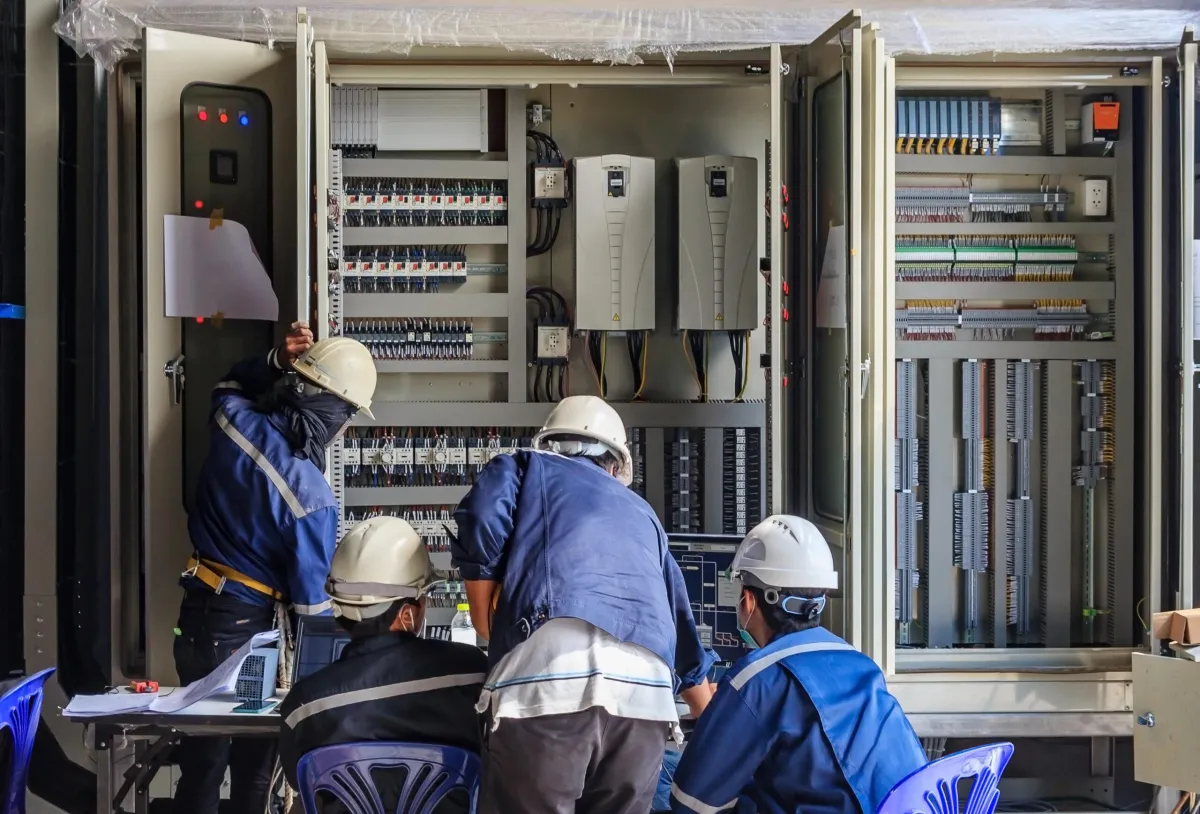
A professional generator installation is a complex process that ensures your system is safe and compliant with local codes. For a standby generator, this includes preparing a concrete pad for the unit, running electrical wiring and a fuel line, and installing a transfer switch that safely separates your home from the utility grid during an outage. An experienced electrician will handle all these steps, ensuring the unit is properly sized and installed for optimal performance during an emergency.
Do Generators Need Regular Maintenance?
Yes, just like a car, a generator needs regular maintenance to ensure it is ready to operate when you need it most. This includes routine checks of oil and fuel levels, as well as a professional inspection to test the battery, transfer switch, and all electrical connections. A maintenance plan ensures your investment will be ready to protect your home from power outages, especially in the harsh winter climate of Anchorage and the surrounding areas.
Final Thought
In Anchorage, Alaska, and its surrounding communities, a reliable backup power source is not a luxury—it’s a necessity. By understanding the differences between portable and standby generators and partnering with a professional electrician for installation and maintenance, you can ensure your home is protected from unexpected power outages, providing peace of mind all year long.
How much does a generator installation cost in Anchorage?
The cost of a generator installation can vary widely. Portable generators are generally more affordable, ranging from a few hundred to a couple of thousand dollars. Standby generator installations, which include the unit, a concrete pad, electrical work, and a transfer switch, can range from a few thousand to over ten thousand dollars, depending on the size and complexity of the project.
What is a transfer switch and why is it important?
A transfer switch is a critical safety device that automatically disconnects your home from the utility power grid and connects it to the generator during an outage. This prevents a dangerous condition known as "backfeeding," which can send electricity back into the utility lines and risk the lives of utility workers. It's a required component for all professional standby generator installations.
How long can a standby generator run on a full tank of fuel?
The run time of a standby generator depends on its size, the amount of power it's supplying, and its fuel source. Standby generators typically run on natural gas or propane, which allows them to run for extended periods as long as the fuel supply is uninterrupted. This is a major advantage over portable generators, which require frequent refueling.
Can I install a generator myself?
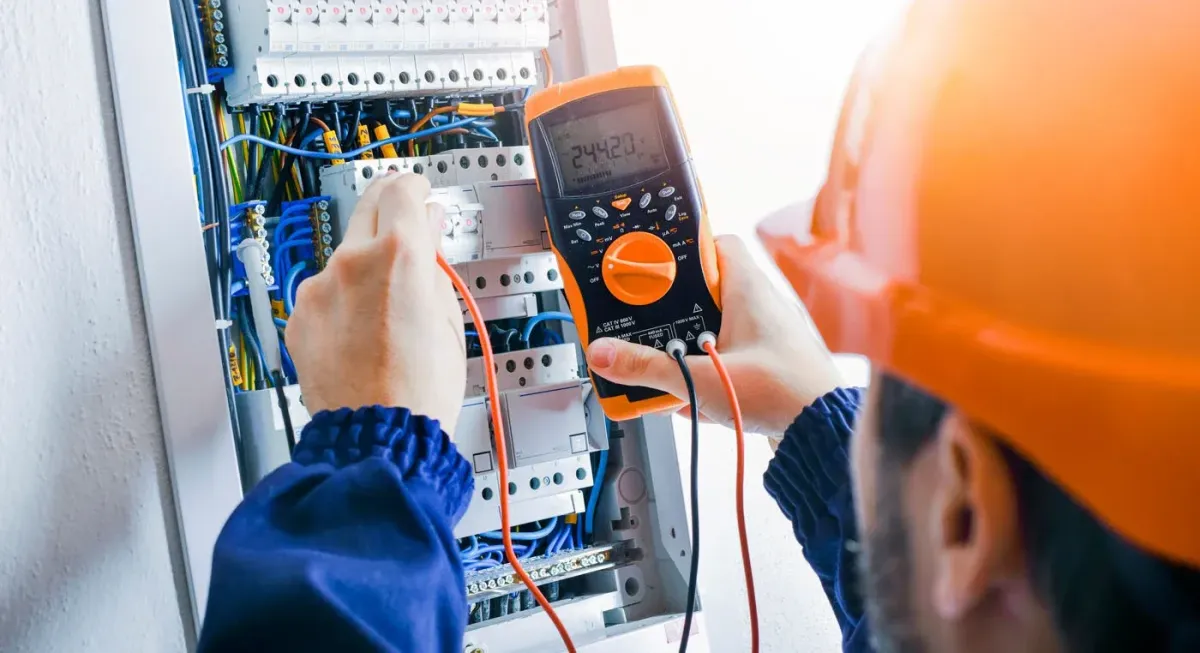
While it may be tempting to save money with a DIY installation, it is strongly advised to hire a licensed electrician for generator installation. Improper installation can be extremely dangerous, leading to fire hazards, electrical shorts, or carbon monoxide poisoning. A professional ensures the unit is properly sized, wired, and compliant with all local codes and safety standards.
How long do generators typically last?
The lifespan of a generator depends on its type, maintenance, and usage. A well-maintained standby generator can last for 20 to 40 years, with a typical operating life of 1,500 to 3,000 hours. Regular maintenance, including oil changes and inspections, is the best way to ensure a long and reliable service life.
Contact Us
Terms & Conditions
Privacy Policy