
Residential Generator Setup Secrets in Chugiak, AK & Surrounding Areas
For homeowners in Chugiak, Eagle River, Anchorage, Wasilla, and Palmer, having a dependable backup power solution is more than convenience—it’s a necessity. With Alaska’s long winters, unpredictable storms, and frequent outages, a residential generator ensures that your home stays warm, secure, and functional.
Why Is a Generator Essential for Homes in Chugiak, AK?
Chugiak and nearby communities often face power interruptions during harsh weather. A generator keeps vital systems—like heating, refrigeration, lighting, and water pumps—running without disruption.
What Are the Best Generator Options for Alaska Homes?
Homeowners in Chugiak, Eagle River, and Wasilla can choose between portable and standby generators. Portable models offer flexibility and affordability, while standby units provide automatic, whole-home power during outages.
How Do I Select the Right Generator Size for My Home?
The right size depends on the number of appliances and systems you want to power. For smaller homes in Palmer or Eagle River, a mid-range generator may suffice. Larger Anchorage-area homes may require a high-capacity standby generator for full coverage.
What Is Involved in Professional Generator Installation?
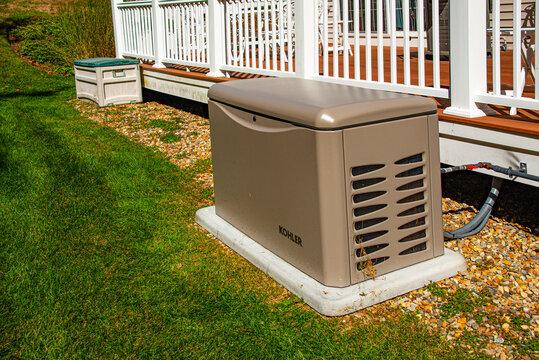
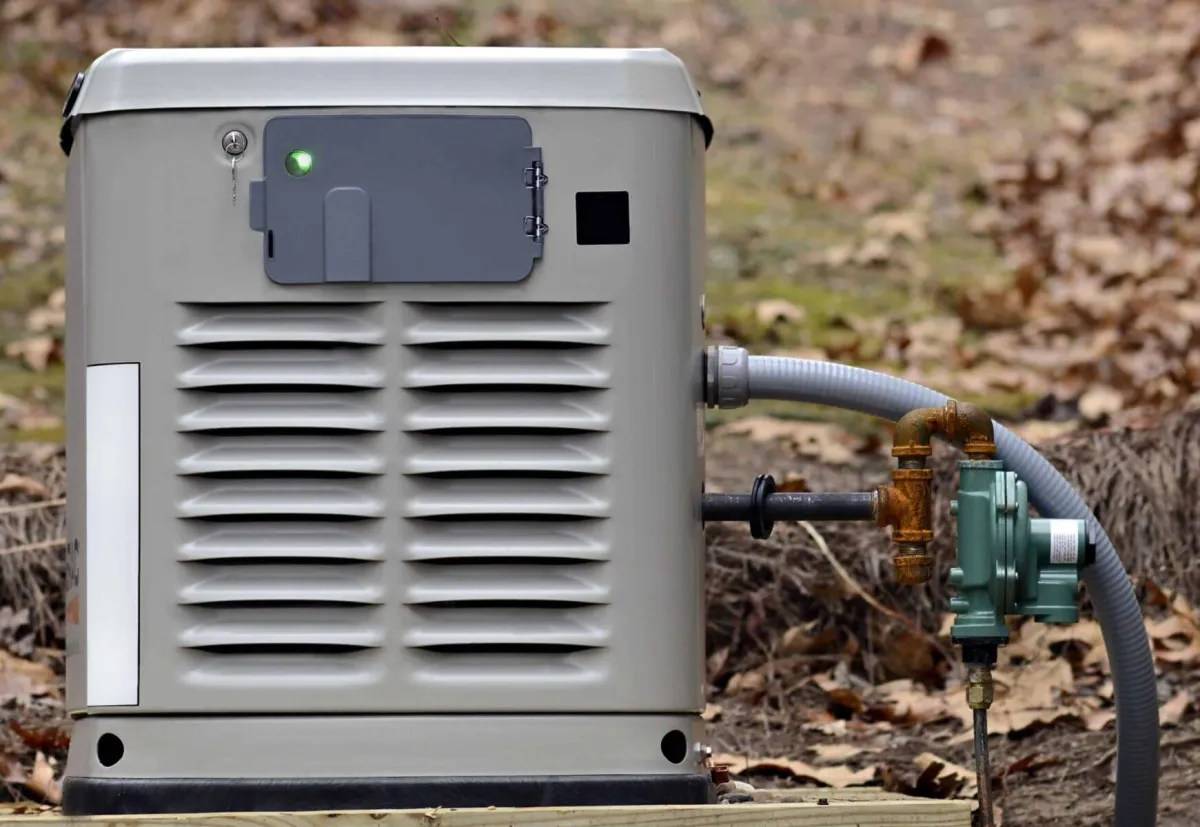
Professional installation includes preparing a stable foundation, connecting the fuel source (propane or natural gas), wiring into the home’s electrical panel, and installing a transfer switch for safety. Local electricians ensure your setup meets Chugiak and Anchorage area codes.
How Can Regular Maintenance Keep My Generator Reliable?
Routine checks—oil levels, fuel supply, and battery condition—are critical. Scheduling annual professional inspections in Chugiak, Wasilla, and Palmer ensures your generator will perform when you need it most.
Can a Portable Generator Power an Entire Home in Chugiak?
While portable generators are great for essentials, they usually cannot power an entire home. They’re best for lights, refrigerators, and a few appliances during shorter outages.
Are Standby Generators Worth the Investment for Alaskan Homes?
Yes. In areas like Chugiak, Anchorage, and Wasilla, where outages can last hours or even days, a standby generator provides automatic, full-home coverage—making it a long-term investment in safety and comfort.
How Do Local Weather Conditions Affect Generator Choice?
Alaska’s freezing temperatures and heavy snow impact performance. Generators in Chugiak and Eagle River should be cold-weather rated, ensuring reliable startup even in subzero conditions.
Do I Need a Permit for Generator Installation in Chugiak?
Yes, most areas in Anchorage and surrounding municipalities require permits for permanent standby generator installations. A licensed electrician will handle compliance with local codes and inspections.
Final Thought
For homeowners in Chugiak, Eagle River, Anchorage, Wasilla, Palmer, and surrounding Alaskan communities, a properly installed and maintained generator isn’t just backup—it’s peace of mind. With the right setup, your family can stay comfortable and safe, no matter the weather.
How often should my generator be serviced in Chugiak?
A generator should be serviced at least once a year, including oil changes, battery checks, and system testing, to ensure it runs smoothly during outages.
Can I install a generator myself, or do I need a professional?
It’s highly recommended to hire a licensed electrician in Chugiak, Anchorage, or Eagle River. Professional installation ensures compliance with local codes and safe operation.
What size generator is best for my home in Chugiak?
The right size depends on your power needs. A smaller home may only need a portable generator, while larger homes often require a whole-house standby system.
Do generators run on gasoline only?
No. Many standby generators in Chugiak, Wasilla, and Palmer run on propane or natural gas, offering more convenience and less refueling than gasoline units.
How long can a standby generator run continuously during an outage?
A standby generator can run for days, as long as it has a steady fuel supply. This makes it ideal for extended outages in Alaska’s harsh winters.
Contact Us
Terms & Conditions
Privacy Policy